08.19.26
By Lisa Major

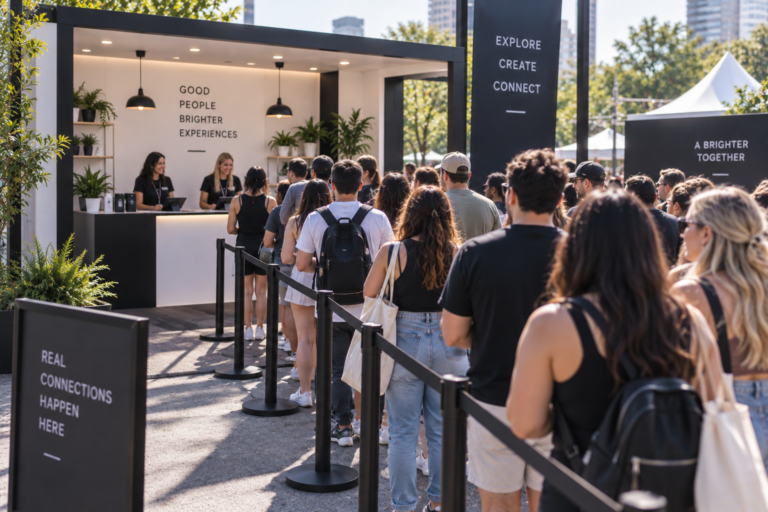
When the digital media revolution emerged at the turn of the century, brands treaded carefully before going all in and divesting in traditional mass media. And now that digital media is saturated, consumer fatigue has increased, and ad recall has declined, leaving marketers to shift strategies again. The marketing pendulum will continue to swing as consumer behaviors and trends are influenced by cultural and environmental changes. But one marketing truth remains: the brand moments that stick most with consumers are physical ones. Face-to-face interactions create a psychological and emotional response better than any algorithm can.

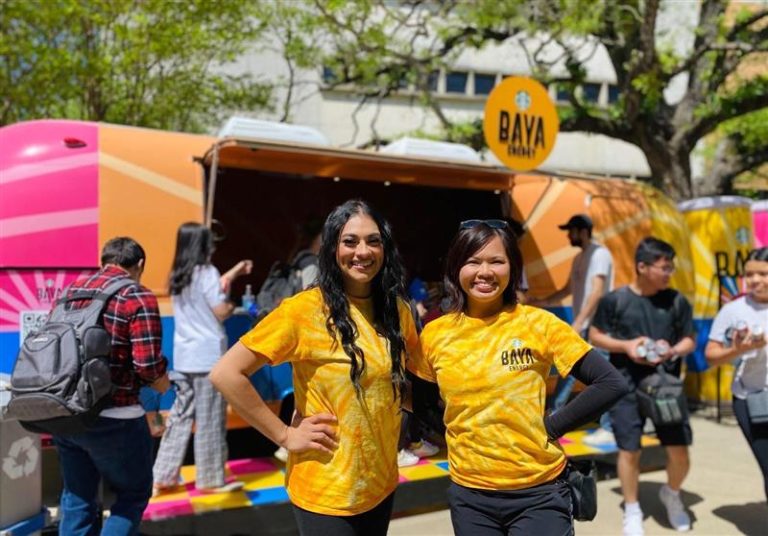
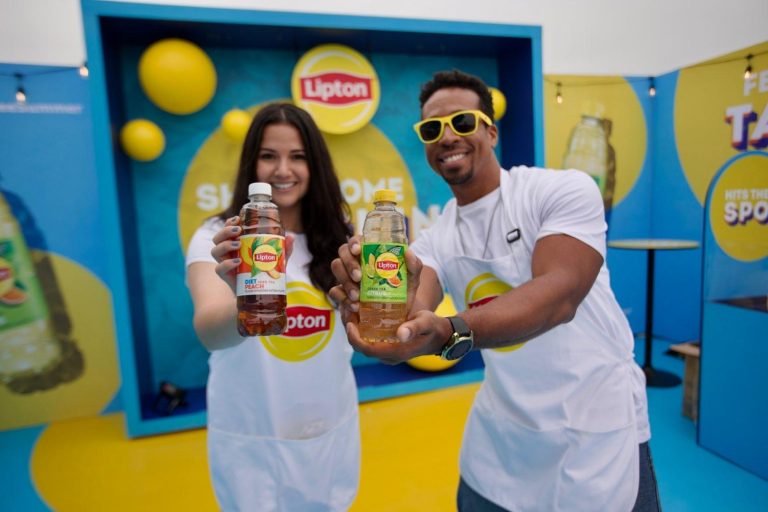
A Gallup study found that 70% of consumer decisions are based on emotion, including brand preference. This and other market research has shown time and time again that most purchases are emotionally driven, which is why brands are continually developing strategies to create emotional connections with their consumers. And while traditional channels struggle to capture attention, experiential marketing has proven to be the most efficient emotional delivery mechanism a brand has. The payoff is in reciprocity: when a brand gives its audience a meaningful experience, people feel compelled to engage back. Then, there is the halo effect. The positive feelings that consumers gain from a 1:1 interaction with a brand ambassador, street team member or experiential event staff transfer directly to the brand itself. And finally, when audiences feel seen and understood by those brand representatives, it shortens the need for rational decision inputs like price comparisons.
Tapping into the psychology of face-to-face marketing reinforces a key pillar of experiential marketing, which is to design an event that puts the audience at the center. Other design principles that are directly correlated to human psychology include:
• Design a standout moment within the experiential event or activation and a strong closing message, that’s what people recall the most.
• Incorporate personalization wherever possible. It makes attendees feel seen and not handled.
• Lower barriers to participate so perceived difficulties and psychological resistance don’t kill engagement.
The full impact of AI-generated campaigns and content on human decision-making is yet to be seen, but it’s predicted that as AI scales up, genuine human touchpoints will become more scarce and therefore more valuable. In a post-AI landscape, experiential marketing through face-to-face interactions with brand ambassadors will become the highest-impact channel marketers can leverage, as audiences will crave authenticity. So, when planning experiential marketing strategies and staffing plans, leverage new technologies and digital amplification, but emphasize human and personal elements as much as possible. It sends a signal to consumers that their humanity is still important, and moments of emotional connection are precious.
If you’re looking to tap into the power of experiential marketing, ATN Event Staffing can provide you with experienced and engaging brand ambassadors who create those powerful face-to-face interactions that make your activation memorable.

Get the latest and greatest in experiential marketing news delivered to your inbox!