09.18.26
By Lisa Major
The goal isn’t to put as many people as possible on-site. It’s to make sure you have the right number of staff for what you’re asking them to accomplish. And figuring that out starts well before the event begins.
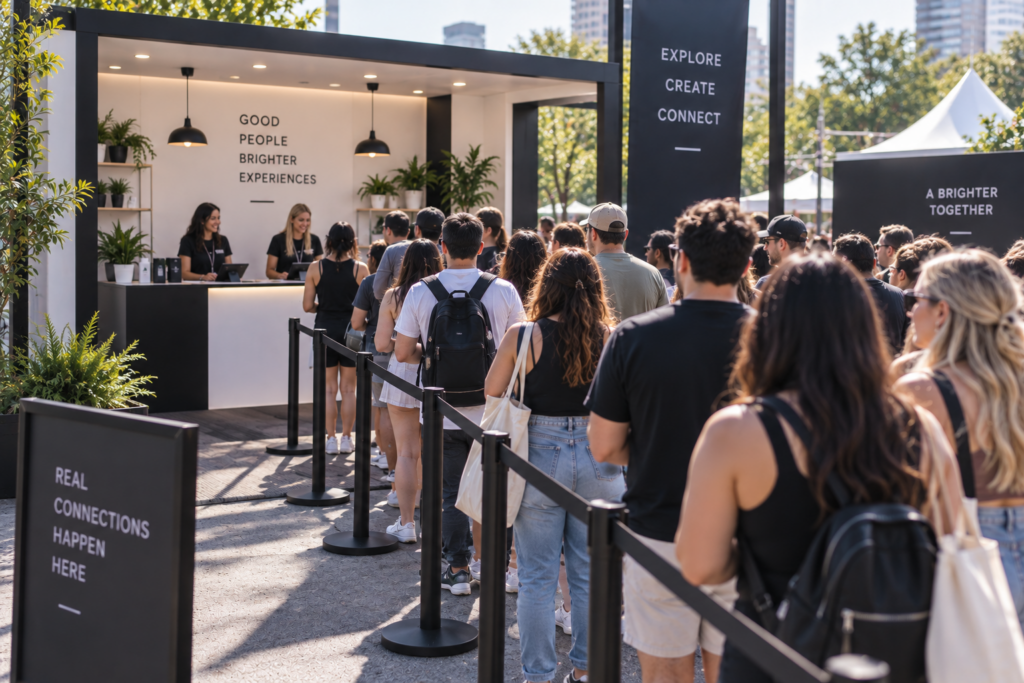
If an activation is meant to handle a steady flow of consumers but there aren’t enough brand ambassadors to keep things moving, a line can build quickly. And with today’s attention spans, we know most people aren’t going to wait around forever. They may take one look at the line and keep walking, which means you’re losing the consumer interaction the entire experience was designed to create.
There is a lot that falls on the staff during an activation: welcoming attendees, encouraging participation and explaining interactive elements, managing lines, distributing swag, conveying talking points, taking photos, answering questions…the list goes on and on. And if two people are trying to do the work of four or five, something will get missed.
A great brand ambassador can handle a busy activation. That’s part of what makes great experiential staff so valuable. But even your strongest people have limits. When a team is stretched too thin, especially on longer shifts, energy and enthusiasm start to drop. Conversations become shorter, and smiles become a little harder to maintain. Staff may start focusing on getting people through the experience rather than creating the connections you expect. Meal breaks and quick reset breaks need coverage, and that only happens when enough people are running the event. Building appropriate break coverage into your staffing plan helps keep the experience consistent from the first attendee of the day to the last.
Lead collection sounds easy until you add it to everything else your brand ambassadors are responsible for. If staff is spending time managing the flow of the activation and really having meaningful conversations with consumers, the tasks that require an extra minute or two can quickly fall behind. That might mean incomplete consumer information or fewer qualified leads being captured. If data collection is an important KPI for the activation, your staffing plan needs to account for the time and manpower that it takes to do that.
Experiential events move super fast, and when everyone is focused on keeping the activation running smoothly and engaging with consumers, smaller tasks may get pushed aside.
Keeping the footprint organized, resetting experience elements, restocking materials, and handling all the little details that keep an activation looking polished still have to get done. When there aren’t enough hands on-site, those little things start to add up and become noticeable.
Things happen. Someone gets sick, a car won’t start, you name it, it’s happened. An expert event staffing agency will have processes in place to help manage last-minute changes, but the overall staffing plan matters, too. When you try to staff an activation to the absolute minimum, losing even one brand ambassador can have a major impact on the day. A little breathing room in the staffing plan can make the difference between a minor adjustment and a major disruption.
You can have fantastic brand ambassadors on-site, but if they’re being pulled in five directions at once, consumers are going to notice. An adequately staffed team has time to interact and engage with consumers, keep the space organized, and create the kind of connections the brand intended. An overwhelmed team, on the other hand, is only focused on keeping up. Consumers may not know what your staffing plan looked like, but they will experience the backlash of an overwhelmed team.
This is where planning with an experienced staffing agency early can make a big difference. Your staffing partner isn’t sitting in the room while the activation is being designed and doesn’t automatically know how many experience elements you’re planning, how many attendees you’re expecting, how long each interaction should take, or what your goals are for the day.
Consider things like expected attendance and traffic patterns, the size of the footprint, the number of experience elements, sampling or giveaway volume, lead capture goals, shift length, etc. – the more information you can provide, the better. From there, an experienced experiential staffing agency can help you determine whether the headcount you’re considering makes sense for what you’re trying to accomplish.
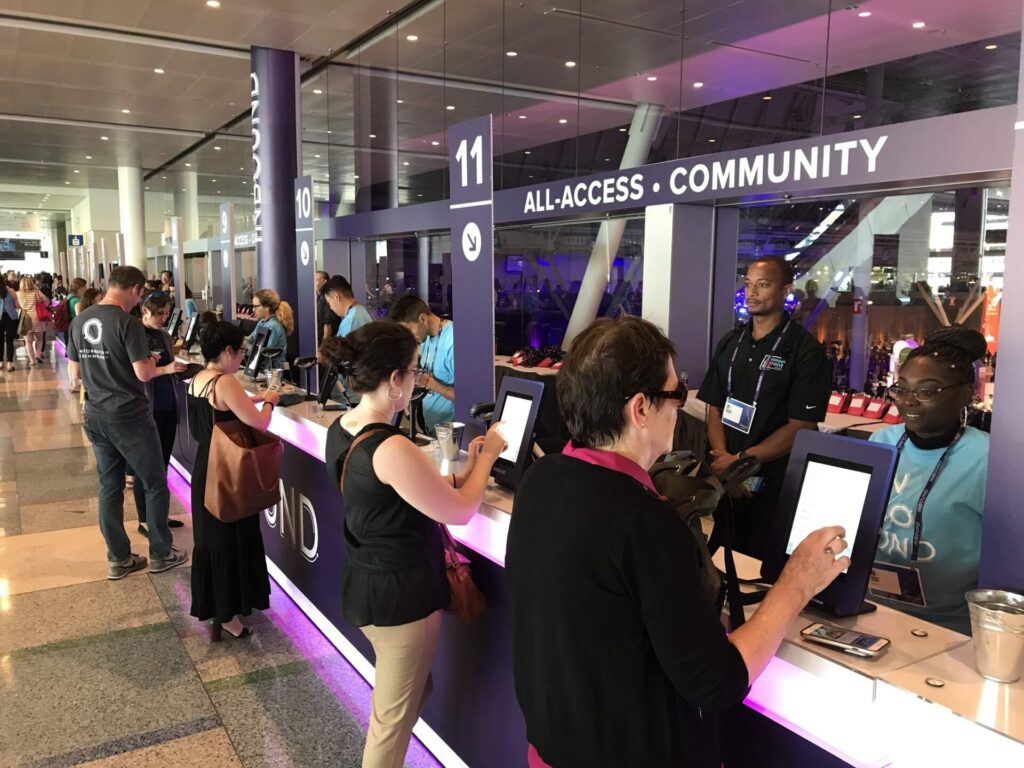
The right staffing number isn’t about adding people for the sake of adding people. It’s about making sure every person on-site has the time and bandwidth to do their job well. Saving money by trimming headcount may look good on the initial budget, but if it leads to missed interactions, poor data capture, or an activation that doesn’t run the way it is supposed to, those savings aren’t really savings at all.
Bring your staffing agency into the conversation early and share the full scope of the activation, not just the basics. A good staffing partner won’t just fill the number of positions on request. They’ll use their experience to help you think through whether that number will actually support the experience you’re trying to deliver.
ATN Event Staffing has staffed experiential marketing campaigns for more than 20 years. We’ve seen everything from small, targeted activations to large-scale programs with multiple experience elements and hundreds or thousands of consumer interactions. That experience gives us a pretty good idea of what it takes to keep an activation moving without sacrificing the quality of the interaction.
If you are looking for a true event staffing partner, one that will walk with you every step of the way, we are here for you!

Get the latest and greatest in experiential marketing news delivered to your inbox!